Take our quiz to find out.
Are You Making The Most Heart-Friendly Food Choices?
Start Quiz
Take this quick assessment to evaluate your heart health risk factors
When Should You Get a Mammogram?
A. Saturated fat
1
2
3
4
5
Which type of fat is considered heart-healthy?
Saturated and trans fats raise levels of the “bad” cholesterol, while monounsaturated fats are good for your heart.
Correct
B. Trans fat
C. Monounsaturated fat
50
Continue
Question 1 of 5
Incorrect
The correct answer is C. Monounsaturated fat
B. 2,500 mg
What is the recommended daily limit of sodium you should get each day?
The American Heart Association recommends no more than 2,300 mg a day, but ideally a limit of 1,500 mg of sodium daily.
C. 3,000 mg
A. 1,500 mg
Question 2 of 5
The correct answer is A. 1,500 mg
A. Red meat
Which type of protein is healthiest for your heart?
Fish—especially tuna and salmon—is one of the best proteins to help prevent heart disease.
B. Chicken with skin
C. Fish
Question 3 of 5
The correct answer is C. Fish
A. 1-2 servings
How many servings of fruits and vegetables should you consume each day for heart health?
The American Heart Association recommends getting four to five servings of fruits and vegetables a day to increase heart health.
C. 7-8 servings
B. 4-5 servings
Question 4 of 5
The correct answer is B. 4-5 servings
A. Frying
Which cooking method is healthier for your heart?
Frying usually involves flour, salt and fat, which aren’t good for your heart. Instead, try baking, broiling or steaming your food.
C. Deep-frying
B. Baking
Get Results
Question 5 of 5
The correct answer is B. Baking
Frying usually involves four, salt and fat, which aren’t good for your heart. Instead, trybaking, broiling or steaming.
You answered 0 out of 5 questions correctly.
Your results:
Retake Quiz
Schedule a Heart Screening
Your Heart Health Matters. Now is a great time to take the next step. A heart-healthy diet is a powerful step toward a healthier you. Regular screenings and expert care can help you stay on track and protect your heart for years to come. To find a cardiologist near you or visit our website.
You answered 1 out of 5 questions correctly.
You answered 2 out of 5 questions correctly.
You answered 3 out of 5 questions correctly.
You’re on the right track. A heart screening can provide valuable insights and help you stay healthy. To find a cardiologist near you or visit our website.
You answered 4 out of 5 questions correctly.
You answered 5 out of 5 questions correctly.
Keep up the great work! Regular heart screenings can help you maintain your heart health and catch potential issues early. To find a cardiologist near you or visit our website.
15 minutes
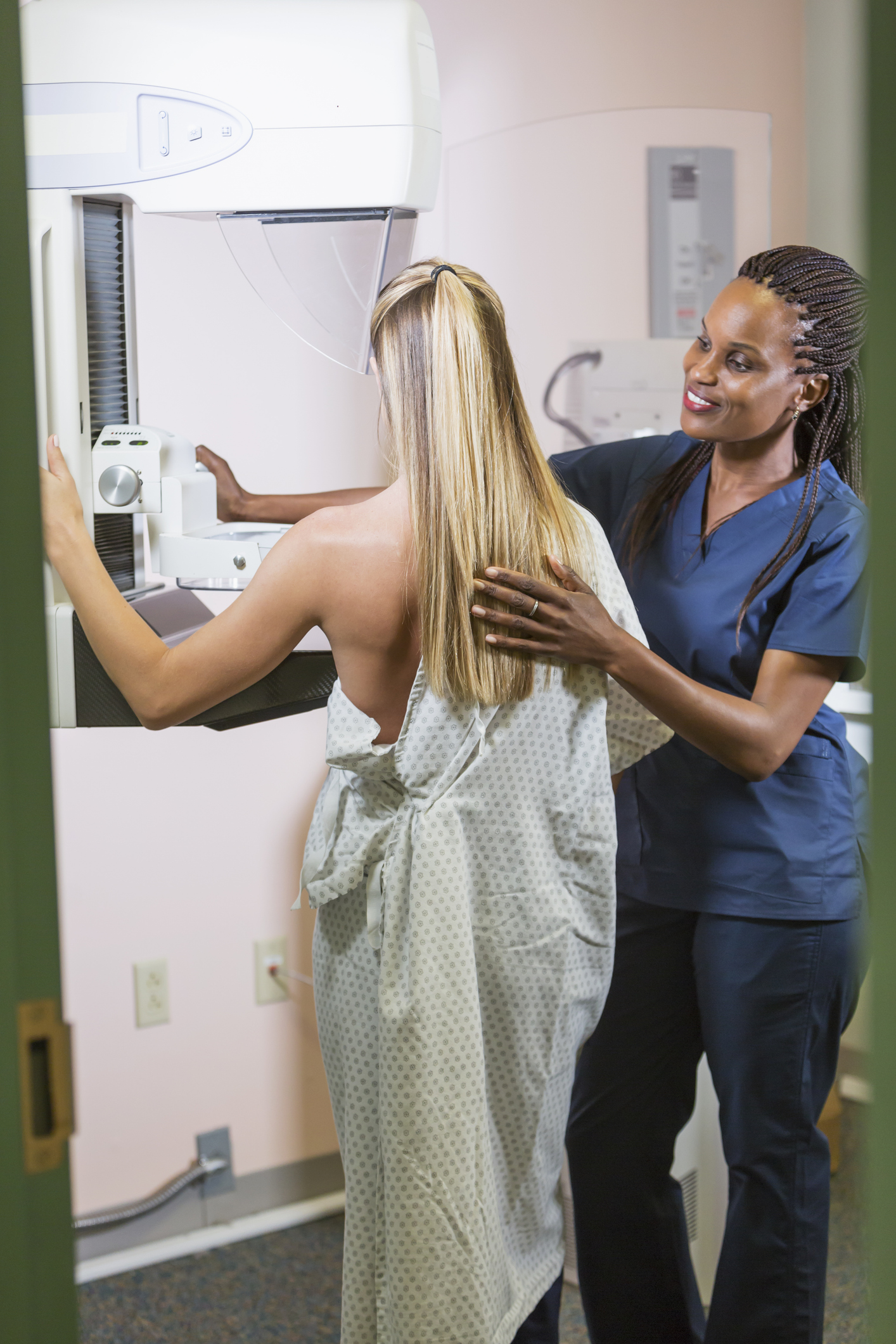
How long does a mammogram take?
Question 2
A mammogram typically takes about 30 minutes. This usually also includes checking in with the front desk, changing and having a conversation about your breast cancer risk.
30 minutes
45 minutes
1 hour
80
If breast cancer is caught early, the five-year survival rate is almost ____ percent.
Question 3
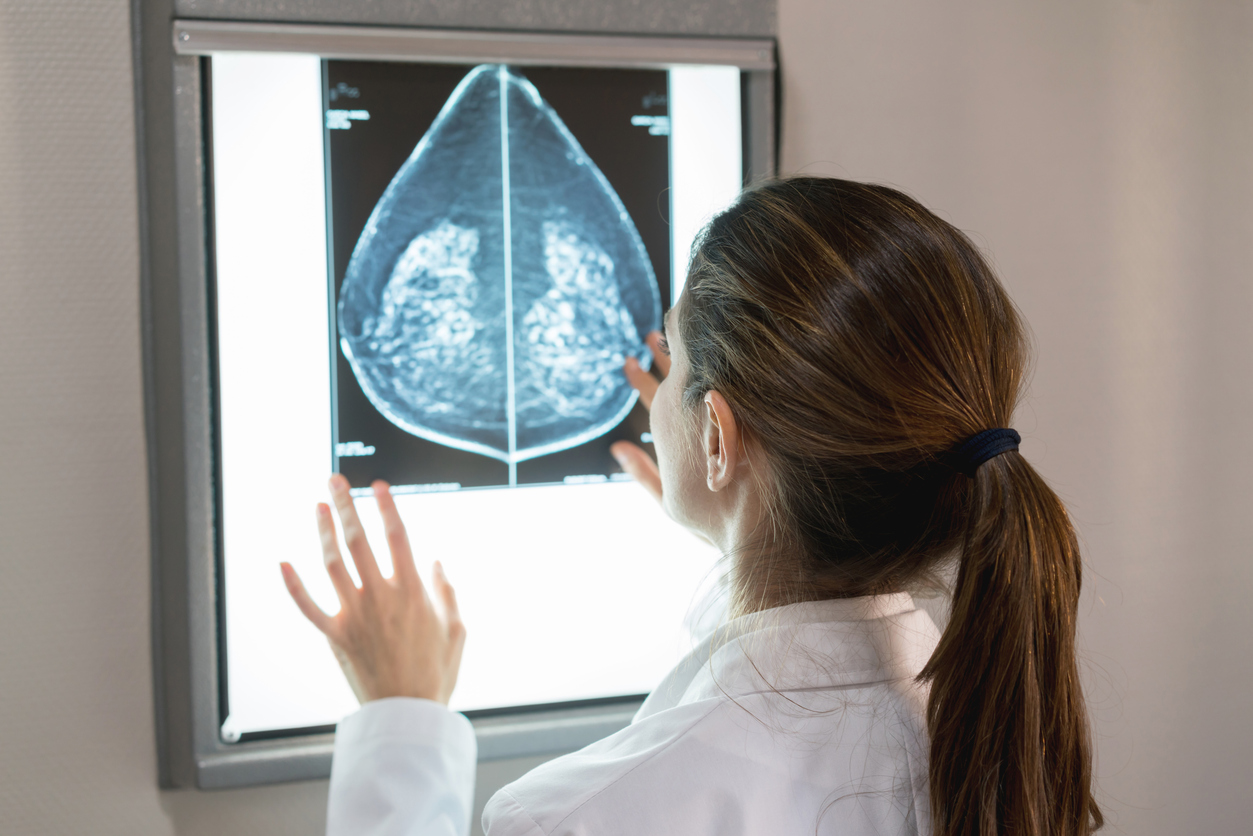
The five-year survival rate for breast cancer is almost 99 percent when the cancer is caught early and is still in its localized stage, according to the American Cancer Society. Mammograms can help detect a tumor early, even before it can be felt during physical exam.
85
90
99
70-75
_____ percent of screening mammograms are negative for cancer.
Question 4
85 to 90 percent of screening mammograms are negative for cancer. Most women who are called back for additional imaging do not have breast cancer.
80-85
85-90
90-95
True
The most important risk factors for breast cancer are having breasts and getting older.
Question 5
True! The most important risk factors for breast cancer are having breasts and getting older. That’s why an annual screening mammogram is important — even if you only have average risk for breast cancer.
False
Review Answers
Thanks for completing the assessment!
Schedule a Mammogram Today
Mammograms save lives. Don’t delay. Make sure you’re keeping up with your screening plan.